
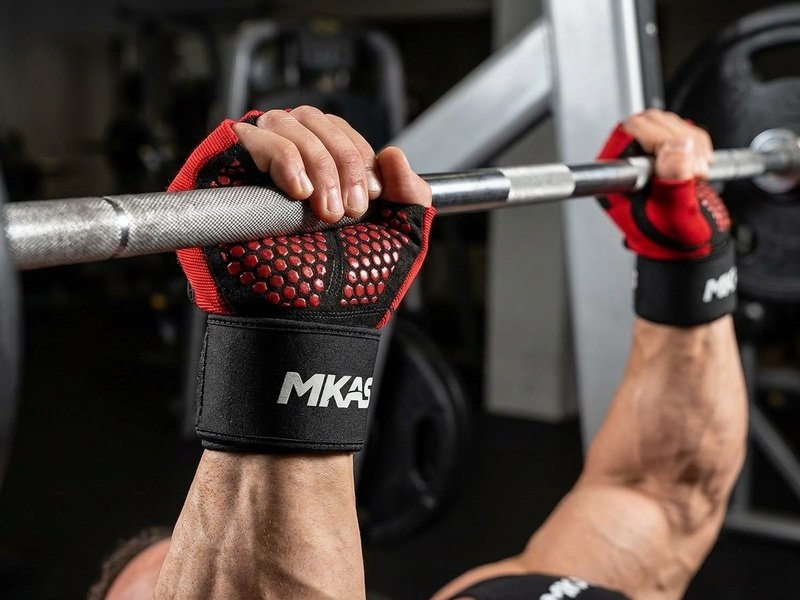
Gym gloves are one of the most essential accessories in the global fitness and strength training market. Whether used in weightlifting, CrossFit, bodybuilding, or general gym workouts, they play a key role in improving grip strength, protecting hands, and enhancing training performance.
For wholesalers, Amazon sellers, and fitness brands, gym gloves are not just a simple accessory—they are a high-demand, fast-moving product category with strong global sales potential. However, choosing the right supplier and product quality is critical for building a successful brand in this competitive market.
In this article, we will explore the key factors you need to consider when sourcing gym gloves, including materials, customization, production standards, market trends, and supplier selection strategies.
1. Why Gym Gloves Are a Strong Fitness Product Category
Gym gloves are widely used across different training scenarios, making them one of the most versatile fitness accessories.
They help users:
- Prevent hand blisters and calluses
- Improve grip strength during lifting
- Reduce pressure on palms
- Enhance comfort in long training sessions
From a business perspective, gym gloves are attractive because they are:
- Lightweight and easy to ship
- Suitable for branding and customization
- Applicable across multiple fitness markets
- High repeat purchase potential
This makes gym gloves an ideal product for fitness brands, distributors, and e-commerce sellers.
2. Key Materials That Define Product Quality
The quality of gym gloves depends heavily on material selection. Different materials provide different levels of durability, comfort, and performance.
Common materials include:
- Neoprene: soft, flexible, and widely used for comfort-focused designs
- Microfiber leather: strong durability and better grip performance
- Silicone grip pads: enhance anti-slip function
- Mesh fabric: improves breathability during training
High-quality gym gloves require a balance between grip performance, durability, and ventilation. Poor material selection can lead to product complaints such as tearing, sweating discomfort, or weak support.
3. OEM & ODM Customization for Brand Development
In today’s fitness market, customization is a key factor for brand success. Most buyers are not looking for generic products—they want unique private label solutions.
A professional OEM & ODM manufacturer can offer:
- Logo printing or embroidery
- Custom color design
- Material upgrades based on market positioning
- Packaging design for retail or Amazon
- Functional structure improvements
Customization helps fitness brands:
- Build stronger brand identity
- Stand out in competitive marketplaces
- Increase product value and pricing power
- Improve customer loyalty
4. Manufacturing Quality Control and Stability
Consistency is one of the most important factors in fitness gear production. Customers expect every product to deliver the same level of performance.
A reliable production system includes:
- Raw material inspection
- In-line quality monitoring
- Final durability testing
- Packaging inspection before shipment
Without strict quality control, businesses risk high return rates and negative reviews, especially in Amazon and retail markets.
5. Market Trends in Gym Gloves Industry
The global gym gloves market is evolving with fitness trends:
- Growth of functional training (CrossFit, HYROX, HIIT)
- Rising demand for lightweight designs
- Expansion of home fitness users
- Strong growth in private label fitness brands
Consumers are shifting from basic protective gear to performance-driven and branded fitness accessories.
Conclusion
Gym gloves remain one of the most stable and profitable product categories in the fitness industry. For brands and wholesalers, success depends on choosing the right manufacturing partner that can deliver quality, customization, and consistency.
As the global fitness market continues to grow, gym gloves will remain a key product with strong long-term business potential.